What to Wear on an Ilfracombe Sea Safari: The Essential Guide
July 15, 2026
Ilfracombe Sea Safari Gift Vouchers: The Perfect Birthday Present
August 14, 2026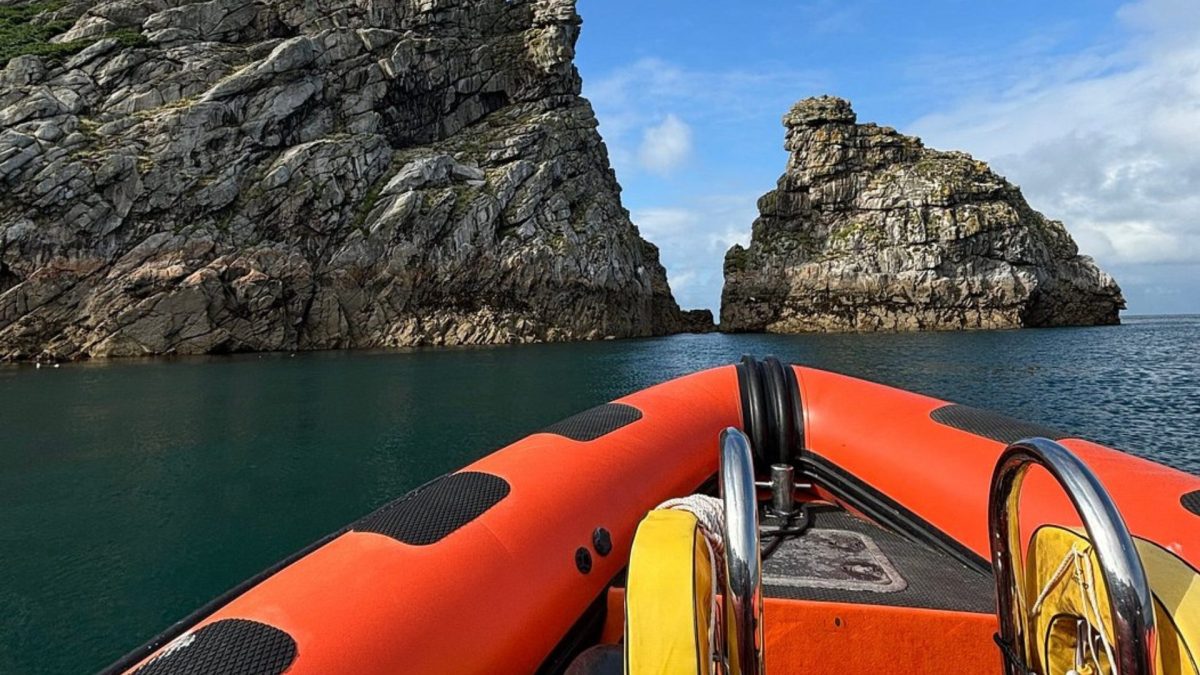
If you have been on a one-hour or two-hour safari and wondered what lies further offshore, the Lundy Island Safari is the answer. A four-hour expedition aboard one of our RIBs, covering the full crossing to England’s only statutory Marine Conservation Zone and back, this is the most comprehensive sea safari experience available from any North Devon operator.
The Crossing
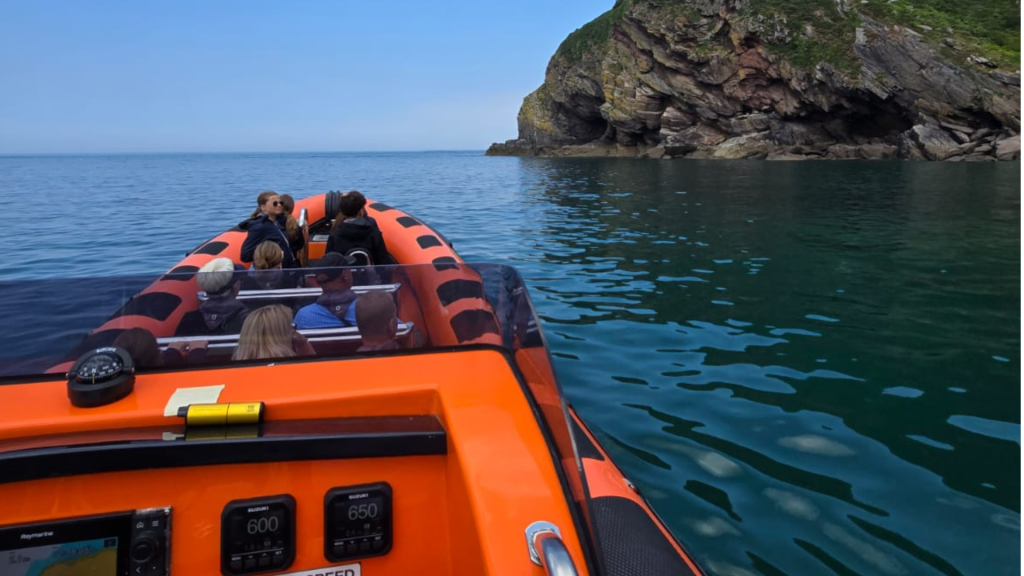
Lundy Island sits 12 miles offshore from Ilfracombe, approximately an hour each way by RIB. The crossing is an experience in itself. The North Devon coast gradually recedes behind you, the open Atlantic spreads ahead, and the wildlife changes character. Gannets become more common, diving from height into the water around the boat. Shearwaters appear, skimming the surface on stiff wings. Porpoise and dolphins are frequently encountered in the open water between the coast and the island.
In late June and July, this crossing runs through the heart of basking shark territory. An encounter with a basking shark on the open water, with the island visible ahead and the North Devon coast visible behind, is one of those moments that stays with you.
Arriving at Lundy
Approaching Lundy from the sea is genuinely dramatic. The eastern side presents a gentler profile: fields and farmland at the cliff top, the distinctive silhouette of the Old Light lighthouse, the landing beach tucked into the south-east corner. The western side, if conditions allow us to circumnavigate, shows the island’s true character: 120-metre cliffs dropping directly into Atlantic swell, no visible human presence, and a wildness that feels genuinely remote despite being within sight of the Devon coast.
The Wildlife at Lundy
The Marine Conservation Zone designation has transformed the underwater ecosystem around Lundy. The waters are among the clearest on the English coast, and the fish populations have recovered to a density rarely seen elsewhere. From the surface, the effect is visible: you can see directly into the water to remarkable depths, and the reef systems are clearly visible even from the boat.
- Grey seals: the colony at Lundy numbers several hundred animals. They are present year-round and at their most interactive with boats and snorkellers in summer.
- Puffins: Lundy was named from the Norse for puffin (lunde) and the birds nest on the island through summer. From the water, they can be seen on the cliffs and flying between the surface and the cliff top.
- Guillemots, razorbills, and kittiwakes: the seabird colonies on the western cliff faces are extensive and visible from the sea.
- Basking sharks: highly likely in the approach waters in June and July.
Practical Information for the Lundy Safari
The four-hour duration means preparation matters. Bring lunch and plenty of water. A warm and waterproof outer layer is essential as wind chill on the crossing is significant even in summer. The trip is appropriate for adults and older children (we recommend a minimum age of 12 for this trip) who are comfortable on the water.
The Lundy Safari runs on selected dates through summer. Availability is limited and these trips book well in advance.
Book your Lundy Island Safari at ilfracombeseasafari.co.uk or call us on 07761 800004.